Posts

How To Clean Curtains – Best Curtain Cleaning Methods

Image
 Hello friends, Curtains are among the most overlooked fixtures in your home during regular house cleaning. Therefore, it isn’t surprising that most people struggle with keeping their curtains dust and germ-free. Dirty curtains are a serious problem when you suffer from allergies. Also, they make your home look shabby. Hence, you must vacuum fixtures at least once a week and use different dry-cleaning methods to sanitise the curtains without wetting them excessively. You can choose a low-moisture cleaning method using water, dishwashing liquid and rubbing alcohol. Please keep reading to know more about curtain cleaning and the best methods. https://www.bondcleaninginmelbourne.com.au/how-to-clean-curtains-best-curtain-cleaning-methods/
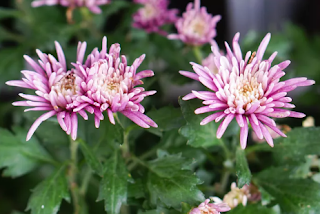
How to Grow and Care for Spider Mum

Image
 The perennial flowering plants known as spider mums are a unique, exotic form of the hybrid chrysanthemums that fill landscapes and container gardens with colorful flowers in the fall. The term spider mum simply refers to one single exhibition class within the very large group known as garden mums or hardy mums. All garden mums are derived from Chrysanthemum x morifolium hybrids, and so-called spider mums are the subgroup that features tubular petals that are hooked or curved. Read More: https://www.thespruce.com/how-to-grow-spider-mums-5077106

15 Garden Edging Ideas to Make Your Garden Pop

Image
 Planting your garden with a clear edge gives it definition and structure, rather than having it appear to be floating in your lawn. Importantly, edging helps to keep mulch in and grass out of your garden. You can edge gardens with all types of hardscaping or you can let plants do the work for you. Edging plants tend to be low growing and often spreading or mounding in habit. They define the start of your garden, but they also soften the edges, so there is no harsh beginning or end. While many plants make great edgers, here are some that do the job with style. Read More: https://www.thespruce.com/garden-edging-ideas-4160932

How to Garden in Raised Beds

Image
 Gardeners who are cursed with poor garden soil will find the raised-bed gardening method to be their salvation. The basic idea is that instead of battling against poor soil conditions, you build above ground, where you have absolute control over the soil texture and ingredients. In a region with extreme soil (very sandy, very clayey, or very infertile), gardeners can tailor the soil in a raised bed, so it is perfect for growing whatever plants they choose. There are other notable advantages to raised bed gardening. They are excellent for older gardeners or those with physical limitations, for whom tending plants at ground level can be painful or impractical. A garden bed raised even nine to 12 inches above the ground can be much easier to tend, and you can even build elevated, waist-level raised beds that make it possible to garden without ever stooping over at all. Read More: https://www.thespruce.com/how-to-make-raised-bed-garden-2539879

What Is Backloading? A Guide To Cost-Effective Moving

Image
 Hello friends, When I moved to Melbourne from Brisbane, it was a huge transition. It was one of the most stressful times for me. Besides the move being emotionally and physically tiring, it was financially taxing. Since I was moving on a budget it required me to think about every expenditure. Therefore, I had done extensive research and learned about backloading which is the cheapest way to move when you are relocating interstate or long distance. It was a suitable option for me because my moving load was small as well. If you are in the same situation and want to learn more about backloading, here is your complete guide. Have a look. https://www.betterremovalistsmelbourne.com.au/what-is-backloading-a-guide-to-cost-effective-moving/

How to Safely Transplant a Cactus

Image
 Cacti are low-maintenance houseplants that rarely require repotting, but it's important to replant your cactus correctly and safely when it becomes rootbound. Once roots start protruding through the drainage holes at the bottom of the pot or the plant appears to have outgrown its space, it is time to transplant your cactus. Since they are slow-growing, cacti typically only require transplanting every 3-4 years, or every 2-3 years for faster-growing varieties. Many cacti varieties are adorned with sharp spines that act as protection for the plant Read More: https://www.thespruce.com/how-to-transplant-a-cactus-5079664

How to Grow and Care for Fiddle-Leaf Fig

Image
 The fiddle-leaf fig (Ficus lyrata) is a popular indoor tree featuring very large, heavily veined, and glossy violin-shaped leaves that grow upright on a sleek trunk. A fiddle-leaf fig is perfect as a focal point of a room if you can situate it in a floor-standing container where the plant is allowed to grow to at least 6 feet tall. (Most indoor specimens reach around 10 feet tall.) It's a fairly fast grower and can be potted at any point in the year if you're like most gardeners acquiring a nursery plant to keep indoors. Keep in mind this gorgeous plant is toxic to cats and dogs. Read More: https://www.thespruce.com/grow-fiddle-leaf-fig-indoors-1902756